Sulmona
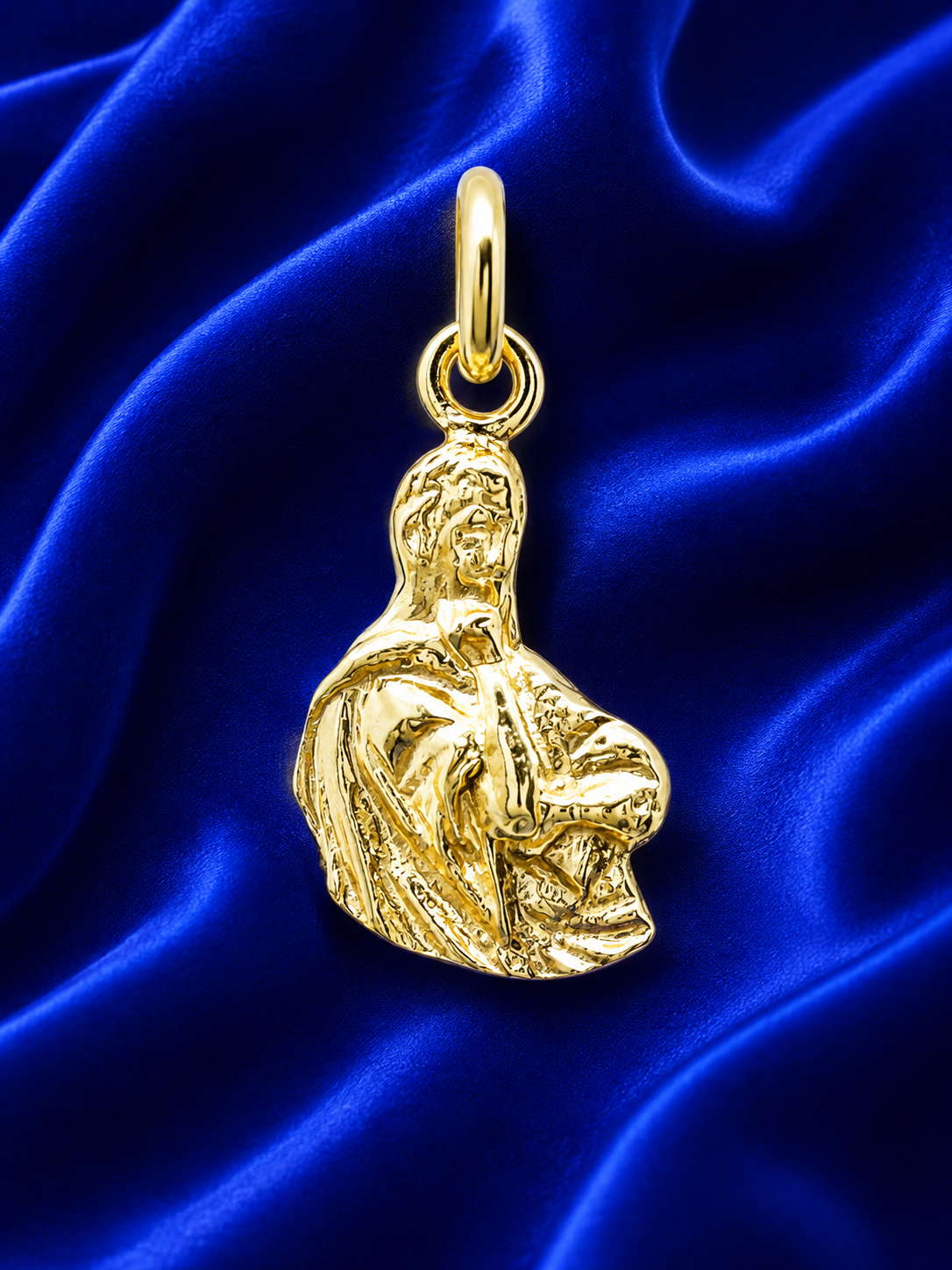
Ovid was born here. The town makes confetti sweets.
A rose window, a warrior, a poet, a wolf, a head of garlic. The names the workshop gives its pieces are almost all names of places, and almost all of them lie within an hour's drive of the bench.
Ovid was born here. The town makes confetti sweets.
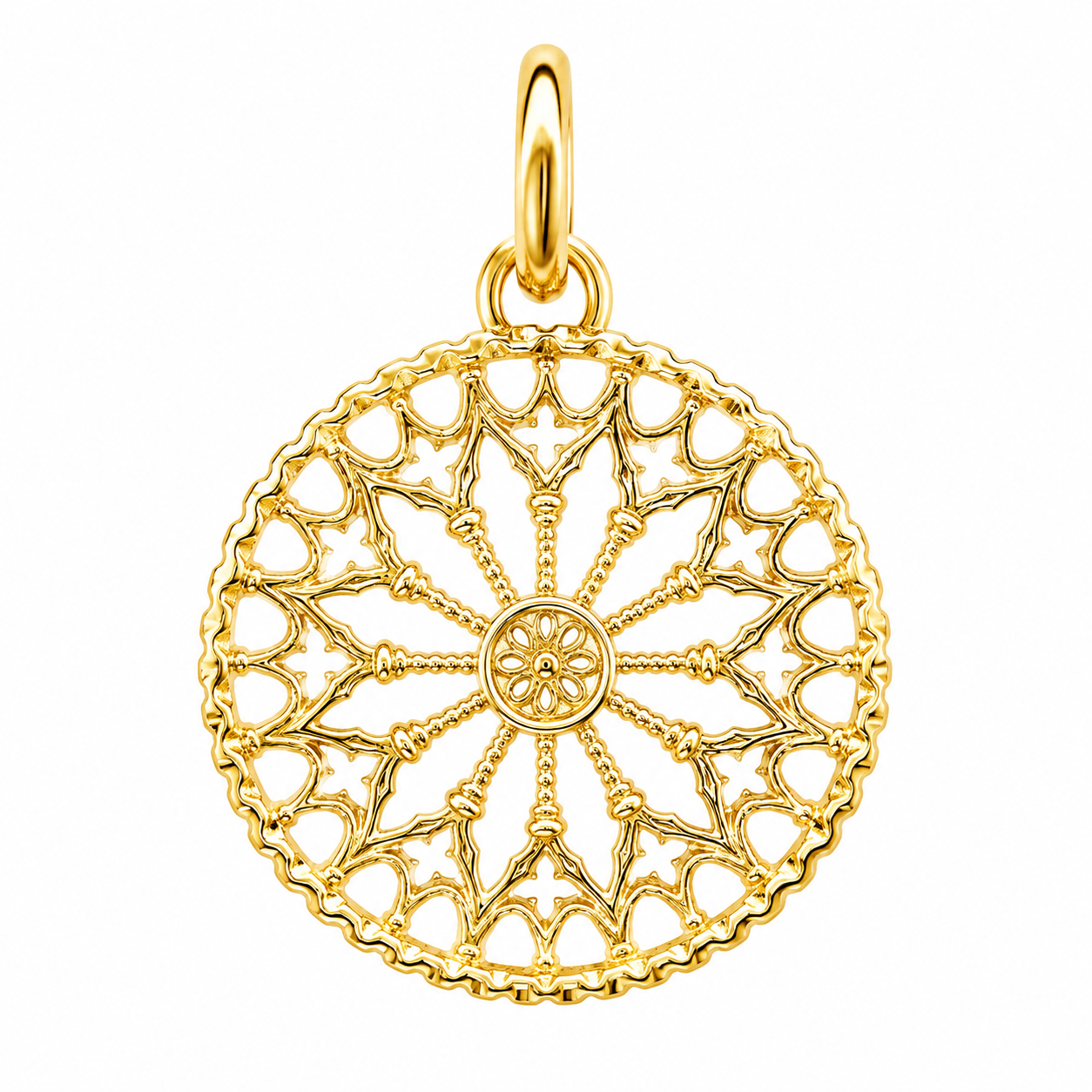
The rose window of Santa Maria di Collemaggio, cut into a façade of banded stone.
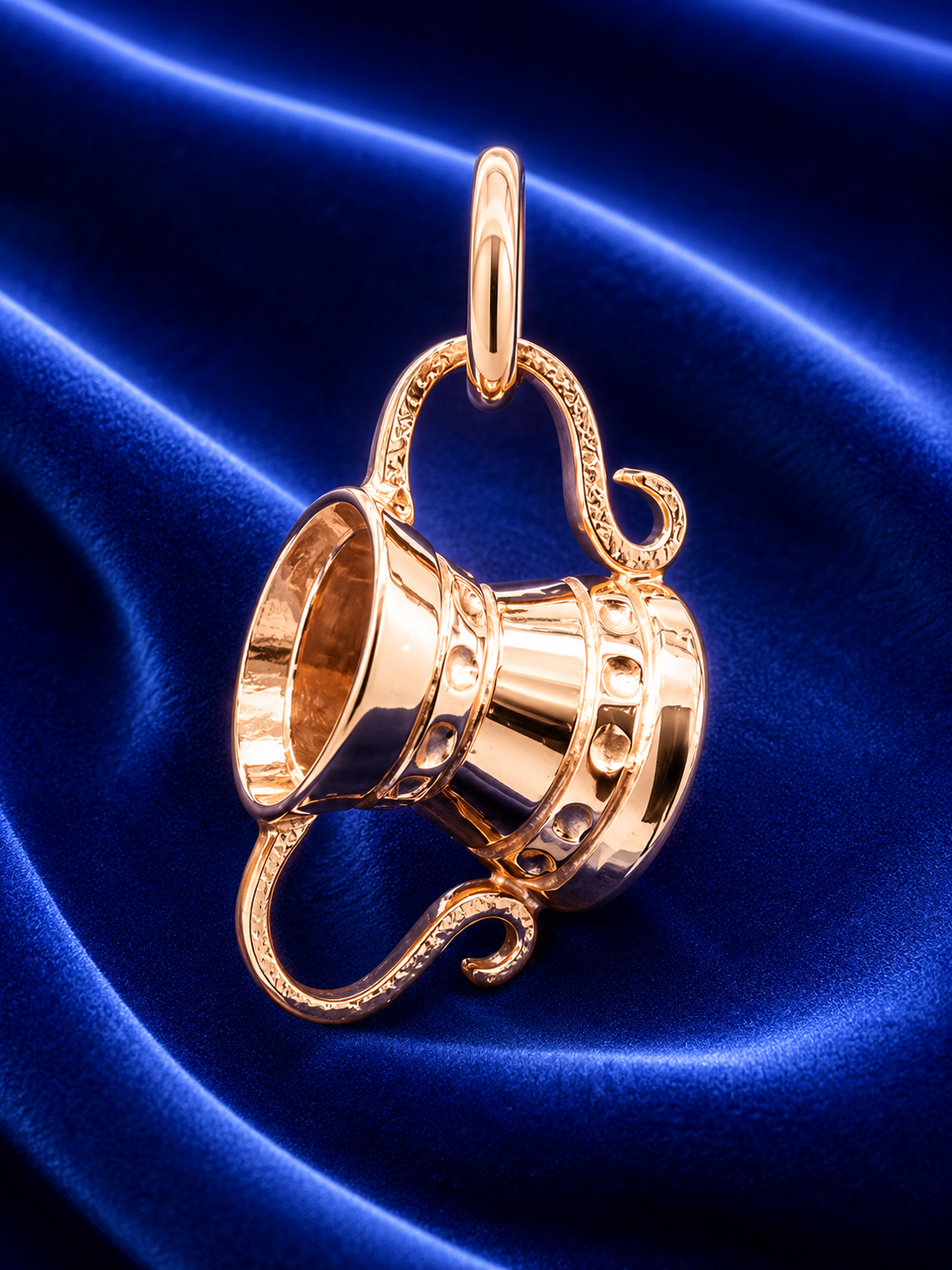
The valley around Sulmona. Here the ferratella is baked, in irons engraved for each family.
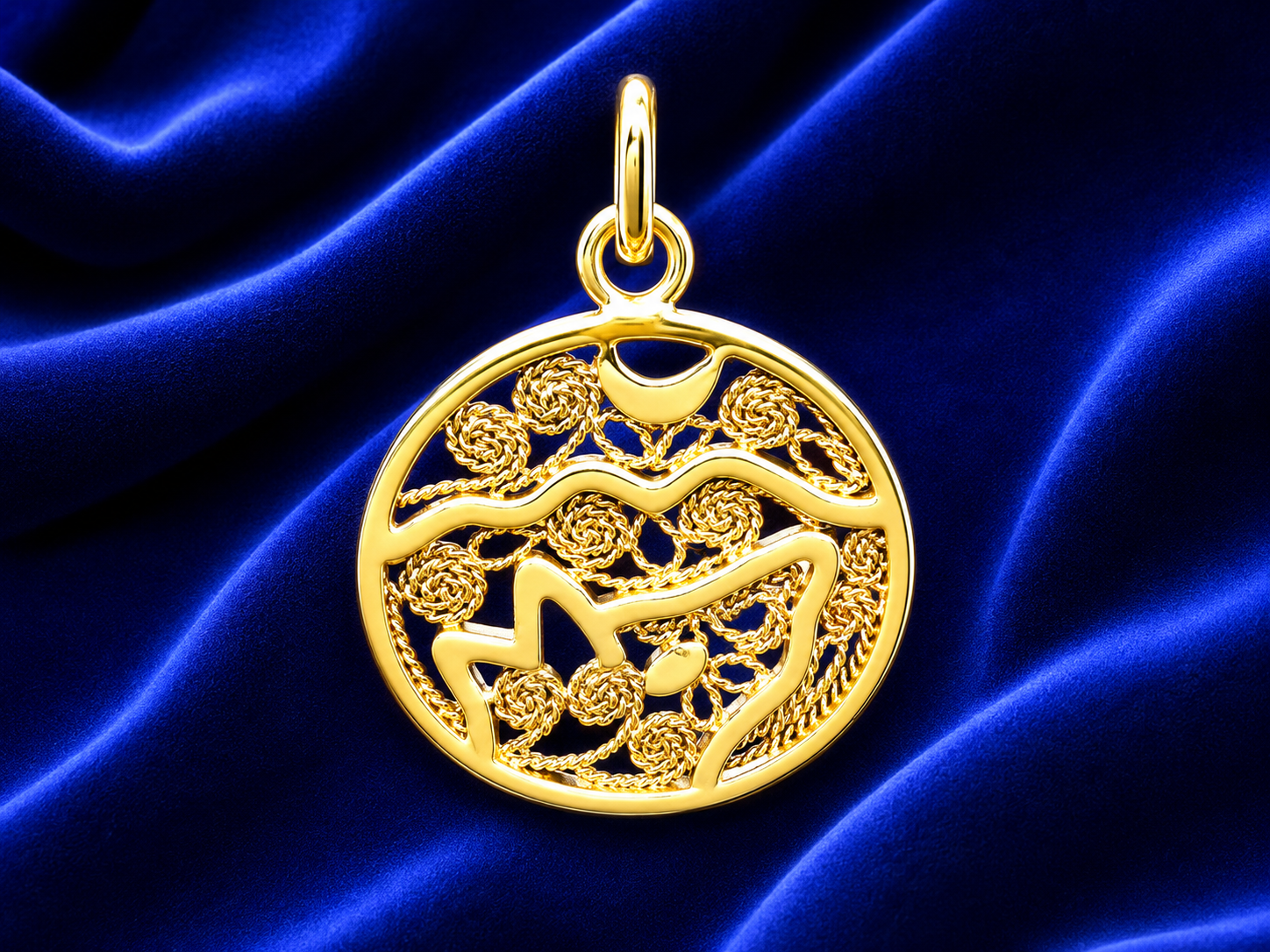
The mother mountain. The Apennine wolf came back to it on its own.
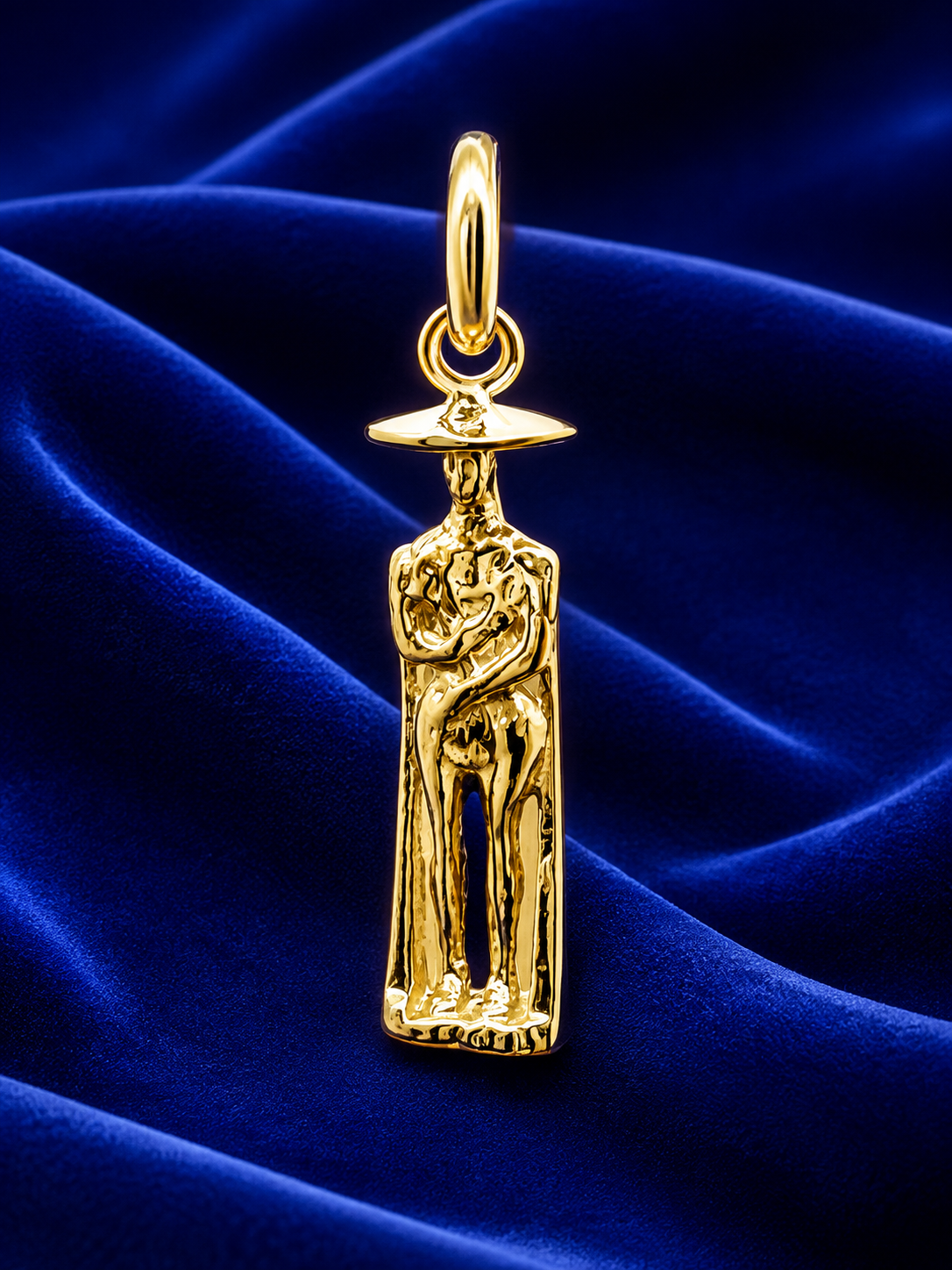
Where the Warrior was found in 1934 — a limestone figure with a wide-brimmed hat, 6th century BC.
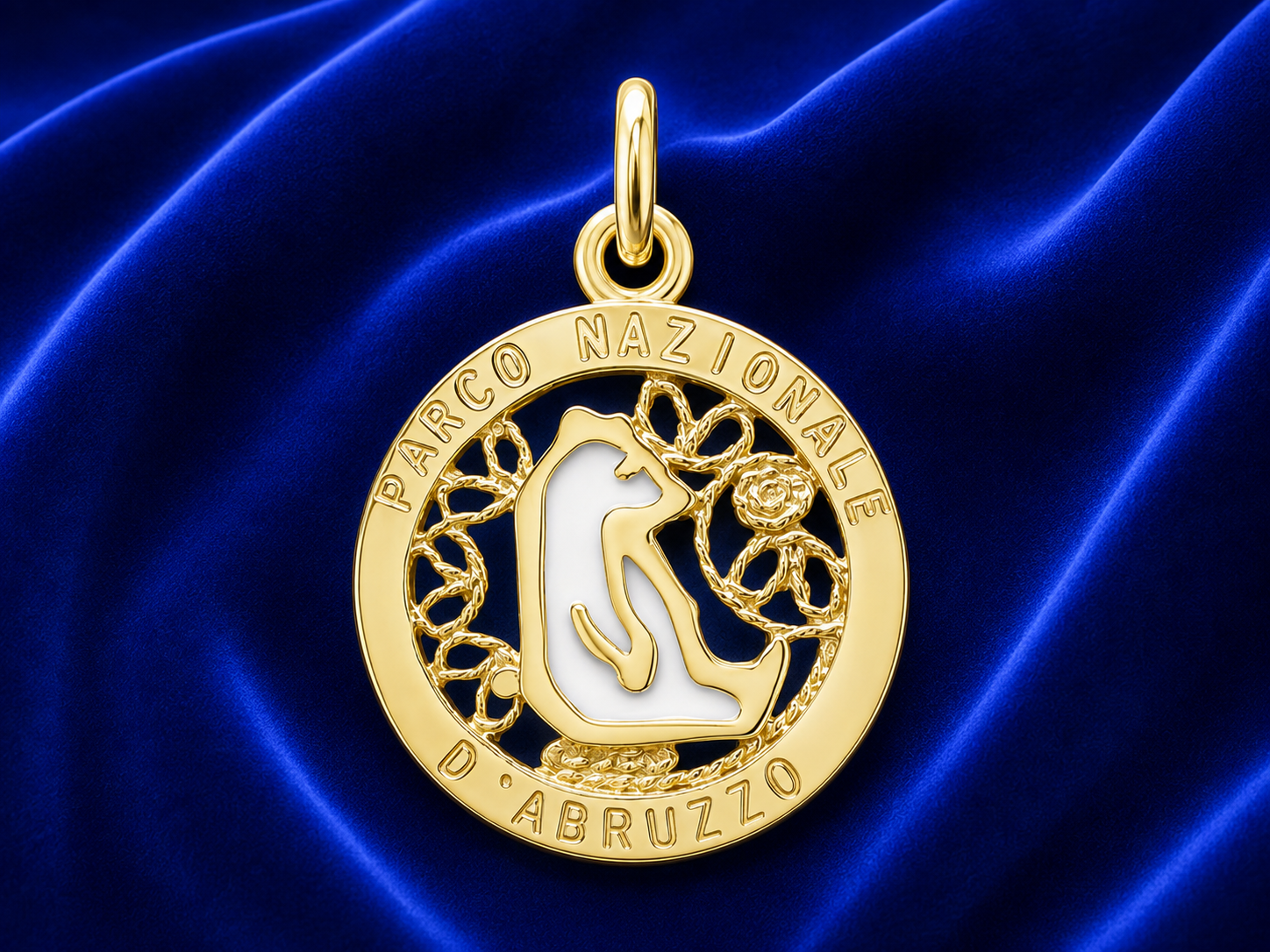
The Marsican brown bear lives here. About fifty remain.
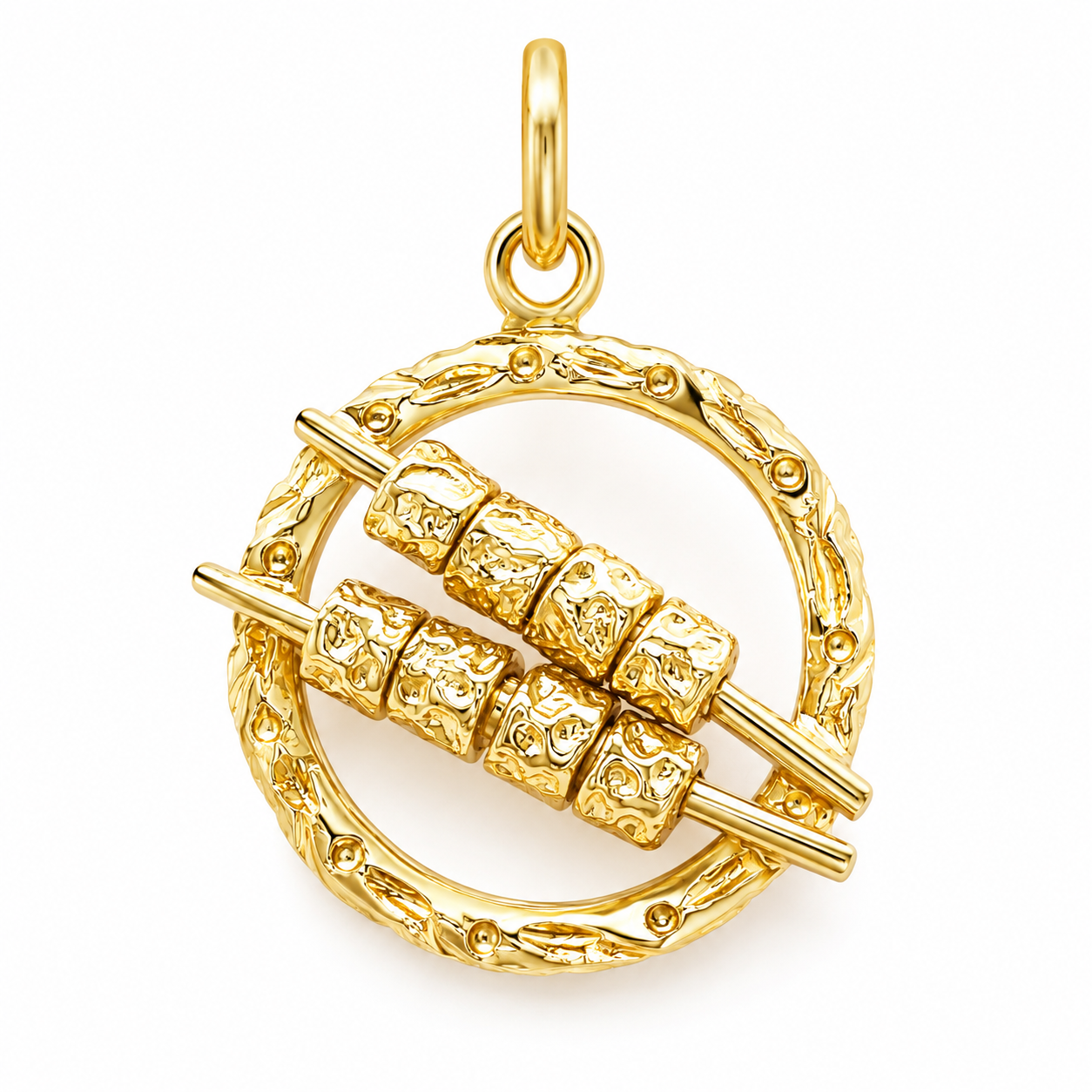
The high plain the sheep climb to in summer, and where arrosticini are cut and skewered.
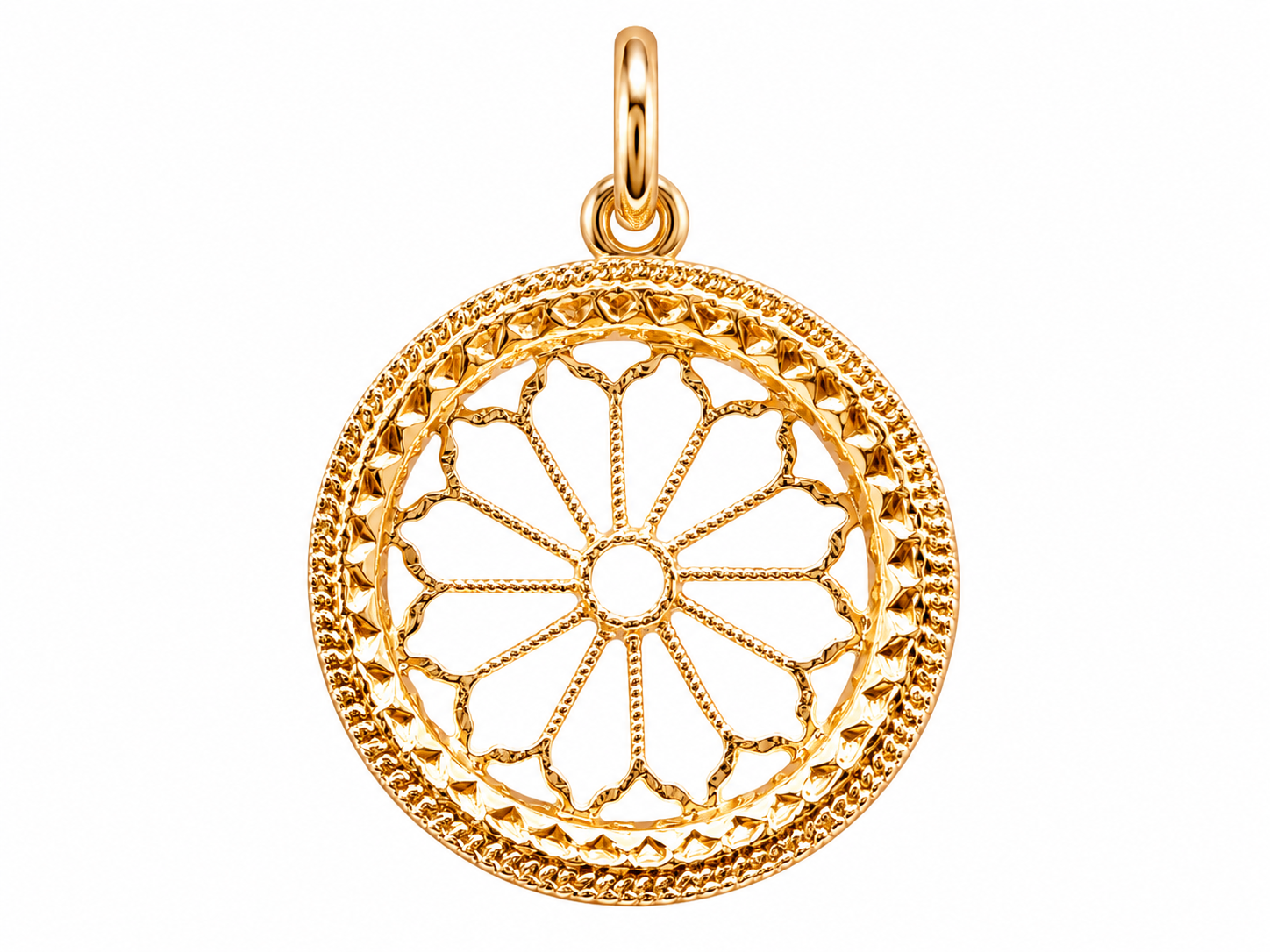
The cathedral's rose window, from the fourteenth century, above the ancient Roman cistern.
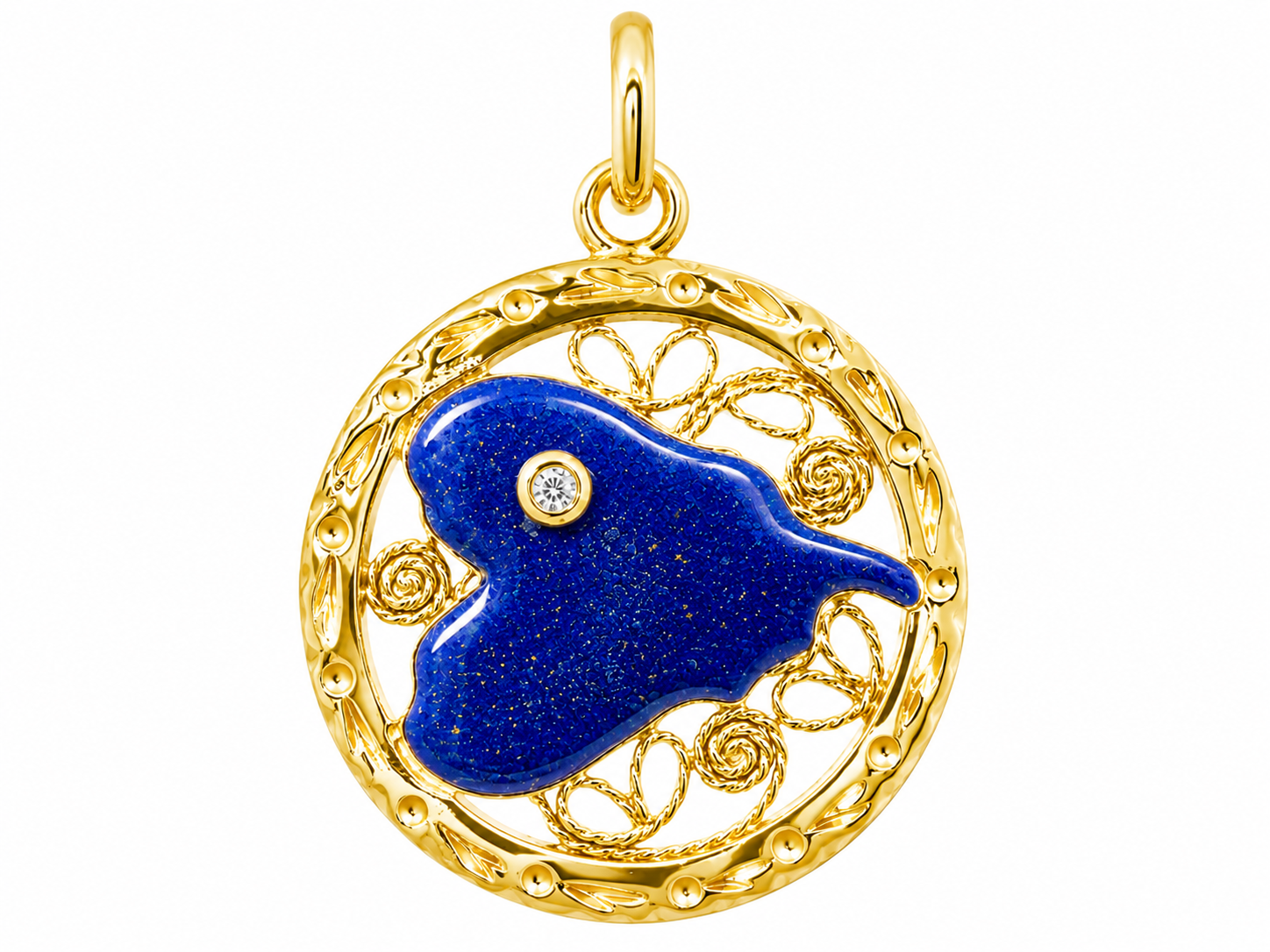
Seen from the path on the mountain above it, the lake has the shape of a heart.
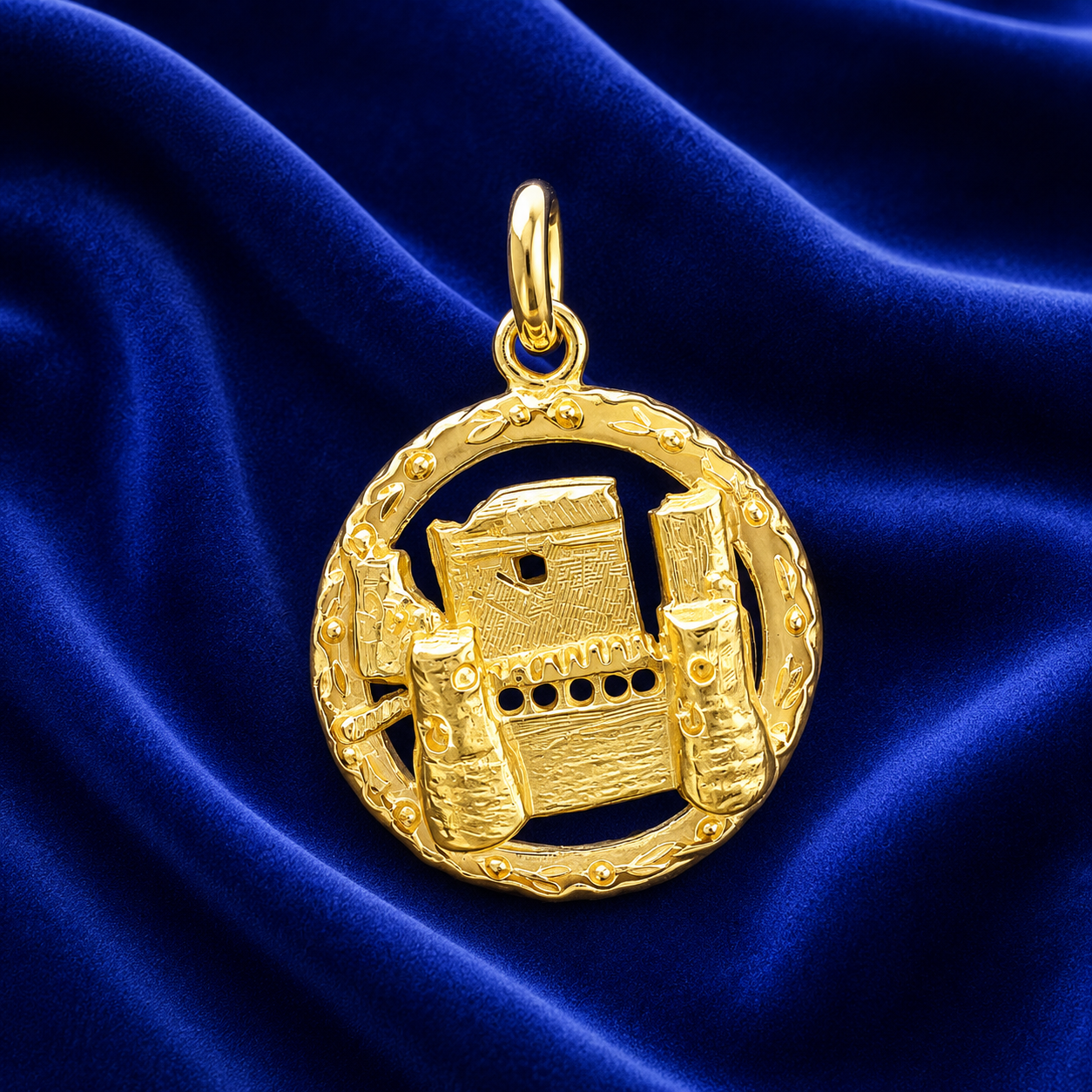
A ruined fortress on a bare ridge, at 1,460 metres — the highest castle in the Apennines.
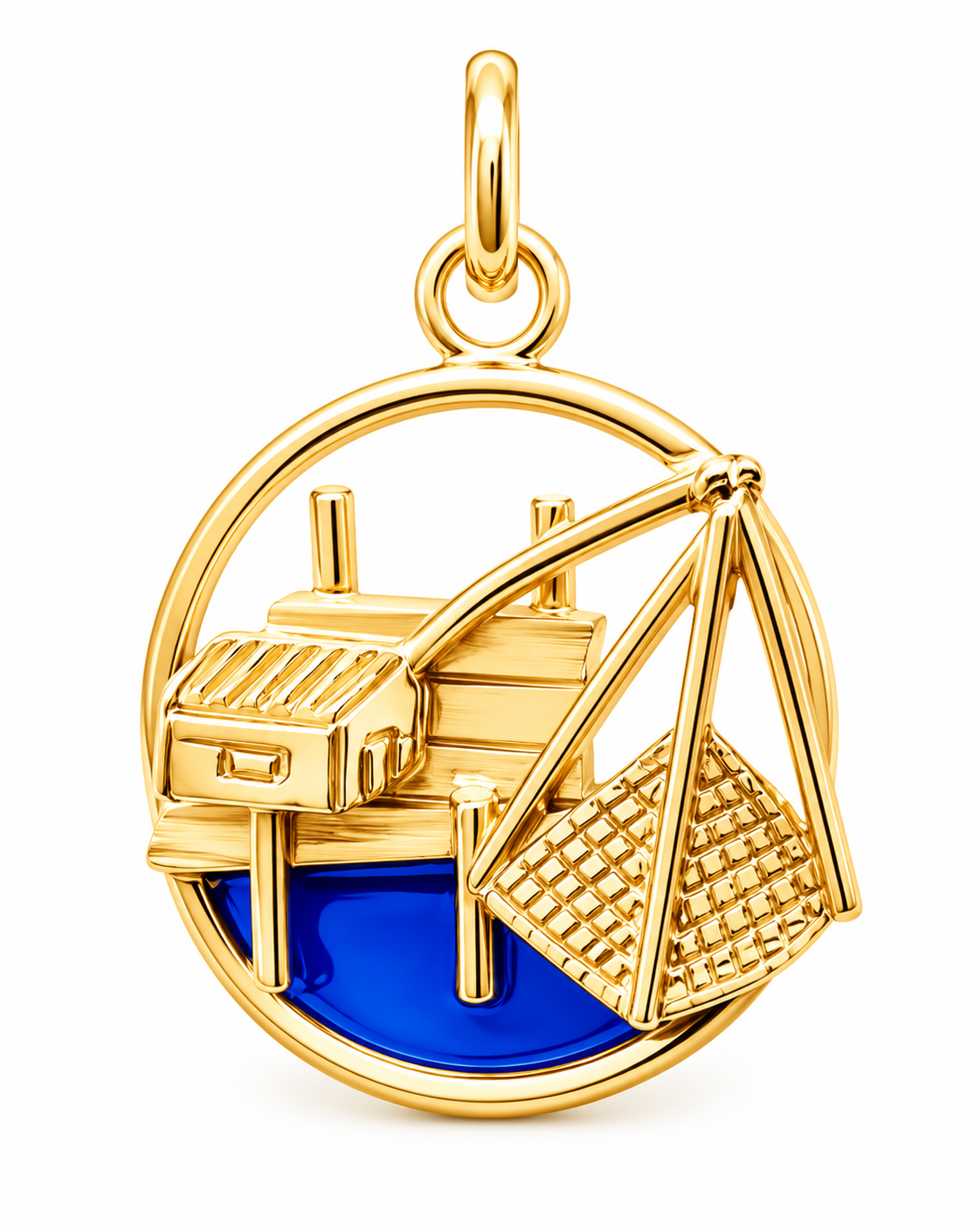
Wooden fishing machines and nets, pushed out over the Adriatic on stilted arms.
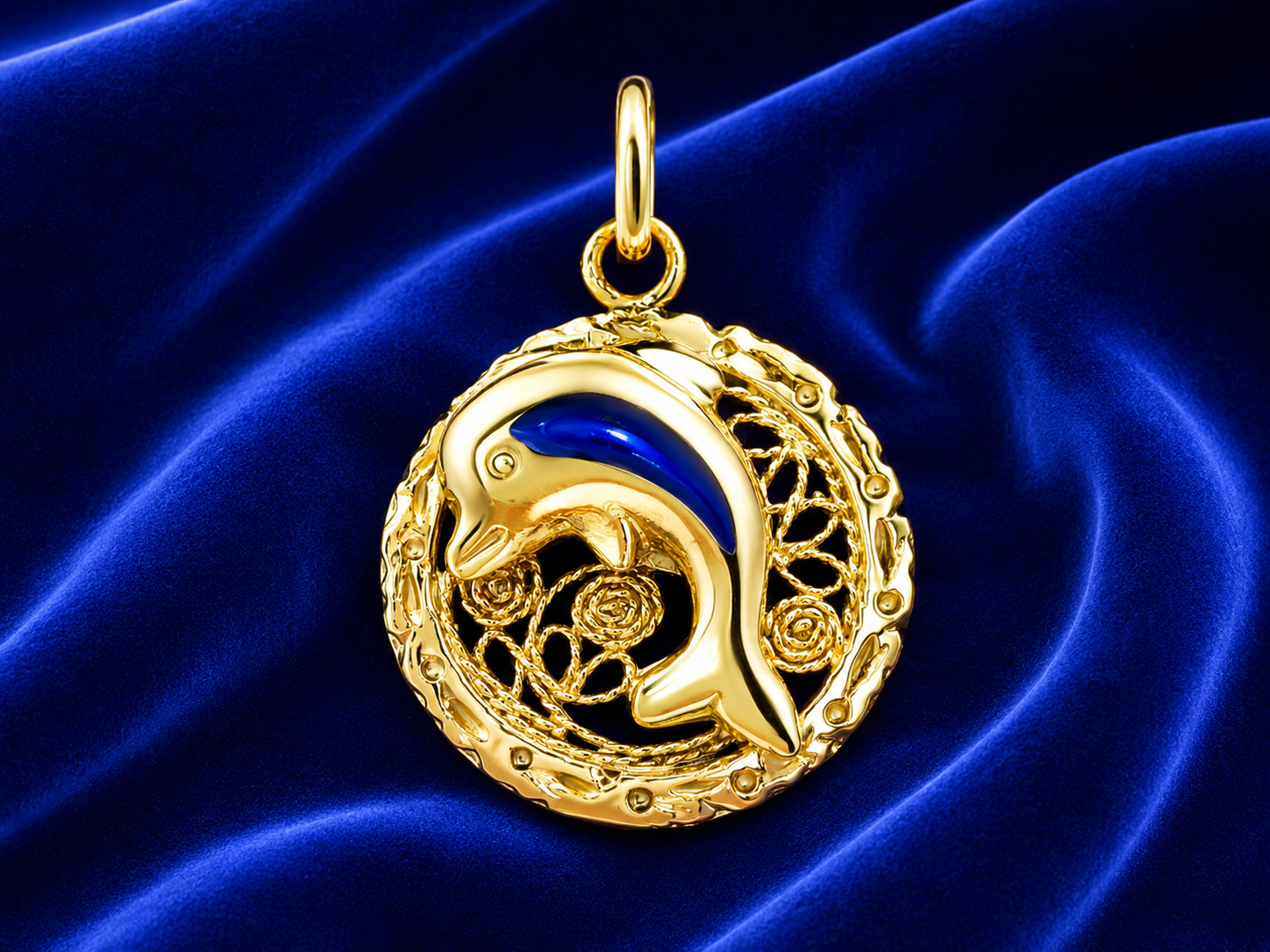
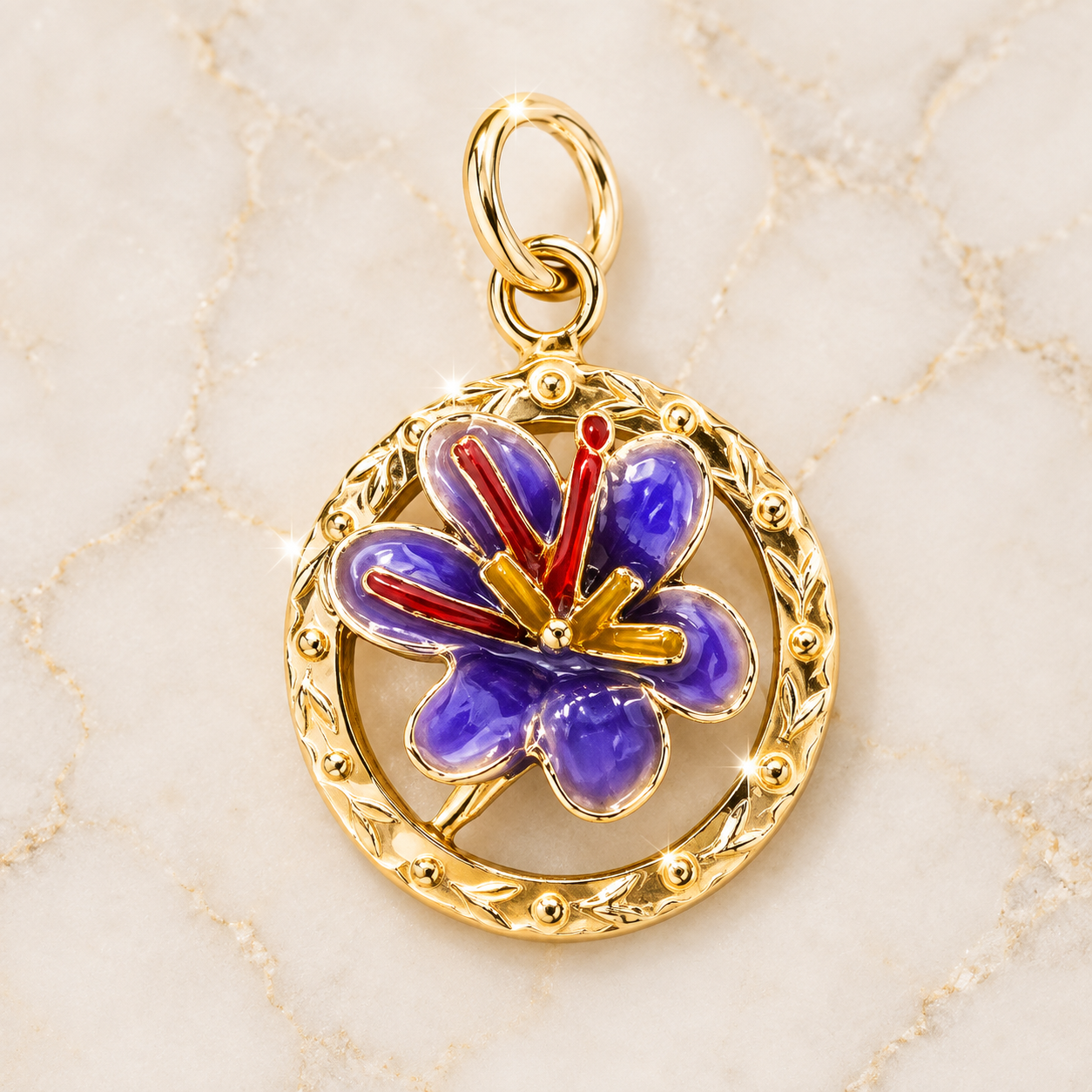
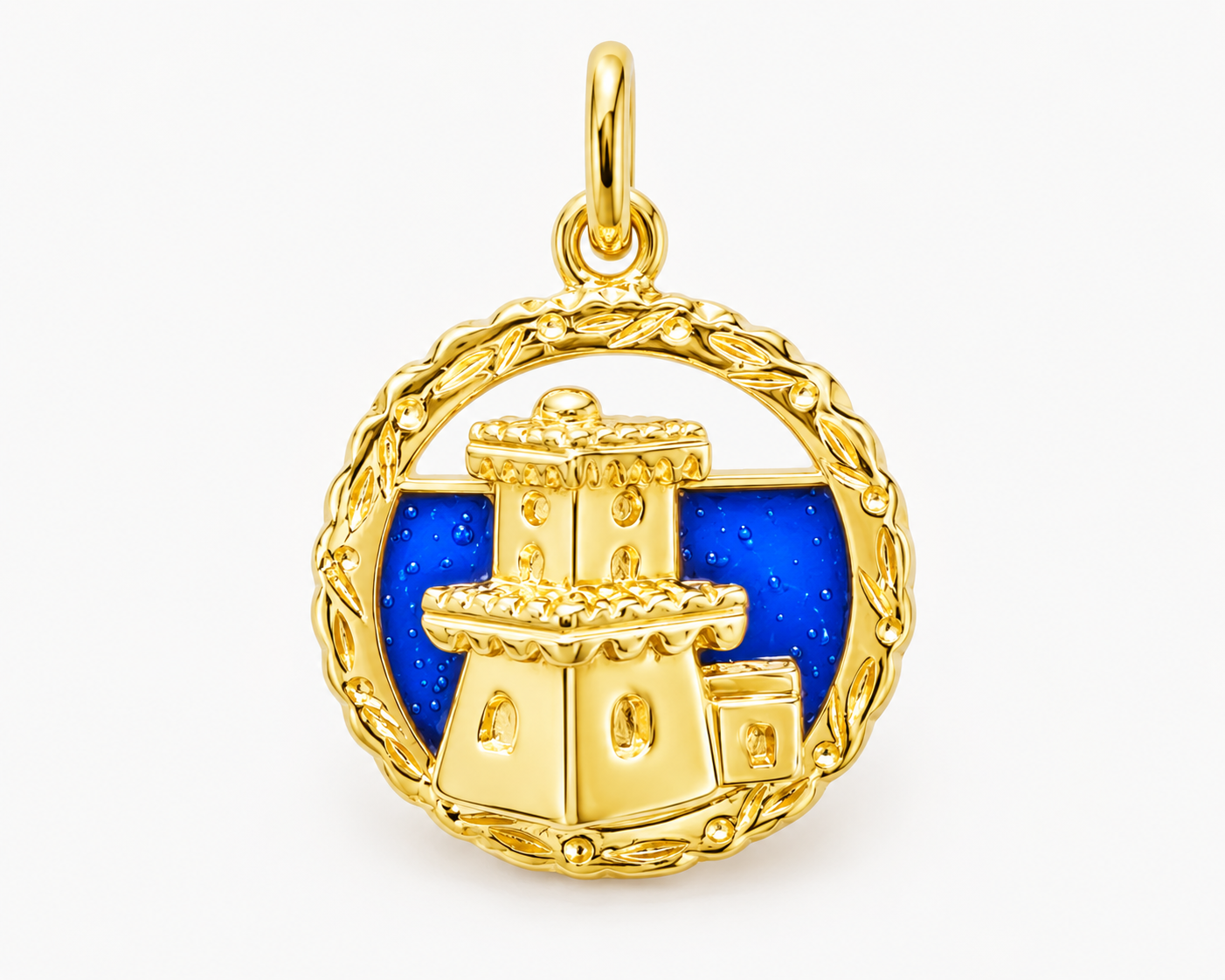
A sixteenth-century watchtower on the sand, today at the centre of a protected marine area.
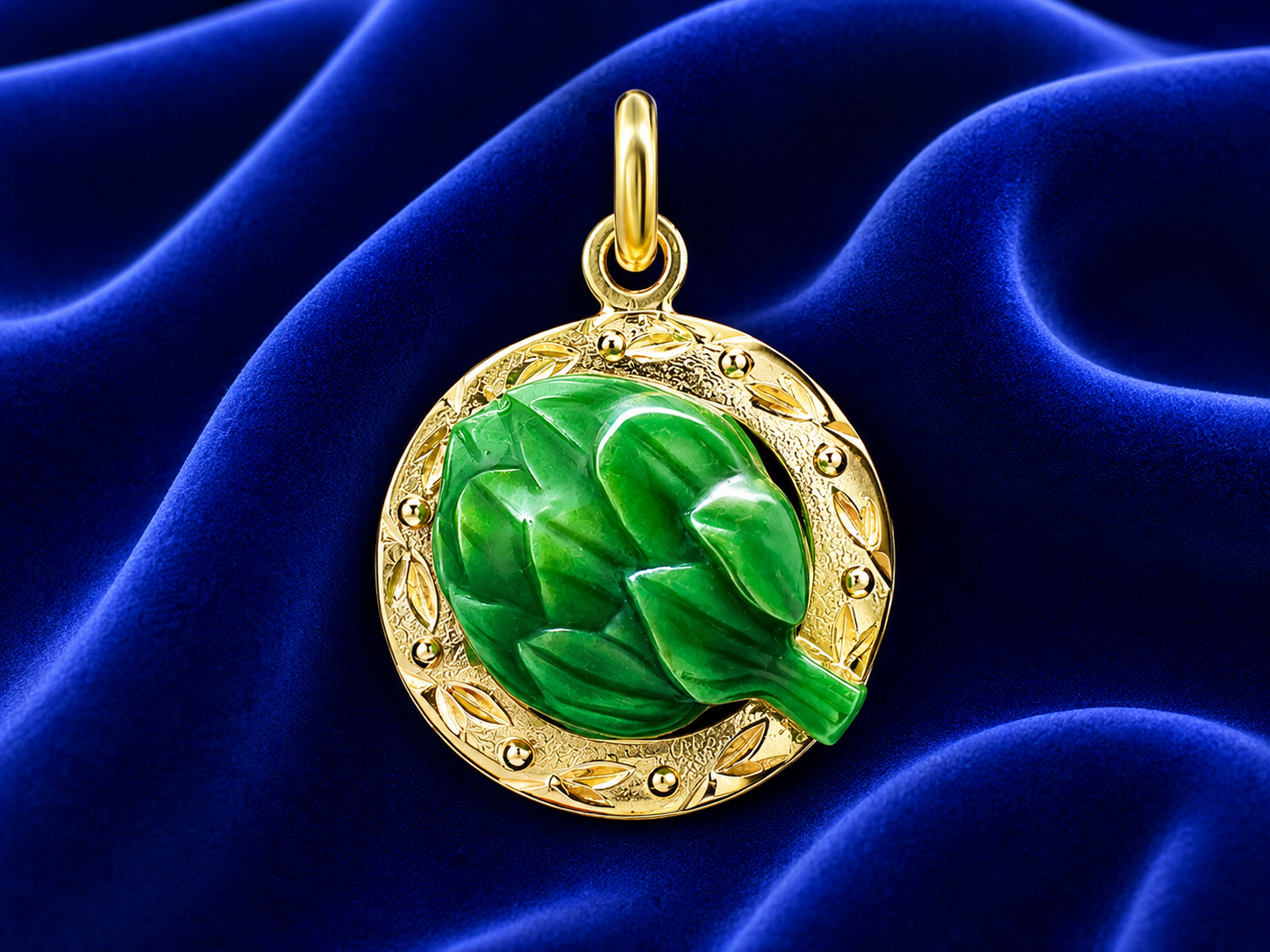
Each piece is tied to the place its own name declares, and the note describes the place — not the workshop. Names and prices are those the house published on orafipacella.com, retrieved from its pages on 31 July 2026 and reproduced without alteration. The catalogue's six recurring motifs — Aglio Rosso di Sulmona, Arrosticini, Ferratella, Rosone di Collemaggio, Amorino, Presentosa — are rilevati dal catalogo pubblicato dalla casa, 29 luglio 2026.